[Column] Key Points for Selecting Solidification Materials that Balance Hexavalent Chromium Countermeasures and Costs
The leaching of hexavalent chromium, which is a concern with cement-based solidifying agents. Preparedness for environmental risks and cost control can be achieved through ingenuity in the design phase.
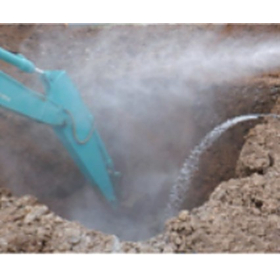
In ground improvement using cement-based solidifying agents, there are cases where the leaching of hexavalent chromium is a concern depending on the soil type. With careful planning during the design phase, it is possible to balance environmental risk preparedness and cost reduction. ⬛︎ Why is hexavalent chromium a problem? It is believed that if the hydration reaction is incomplete due to a lack of water, hexavalent chromium tends to remain. It is particularly prone to leaching in volcanic ash clay (such as loam), and compliance with soil environmental standards (below 0.05 mg/L) is required. ⬛︎ Two reasons why the El Niño method is easier to control: 1. This method involves adding water to the local soil for fluidization treatment, which facilitates the hydration reaction. 2. Through preliminary indoor mixing tests, it is possible to select solidifying agents that suppress hexavalent chromium. Currently, leaching tests are conducted at all sites. ⬛︎ Preparedness during the design phase helps reduce costs. By conducting soil tests and leaching tests as an extension of boring surveys, risks can be incorporated from the stage of method selection, leading to overall cost reduction. ▶ If you have concerns about ground improvement, please feel free to consult us.
- Company:エルニード協会
- Price:Other